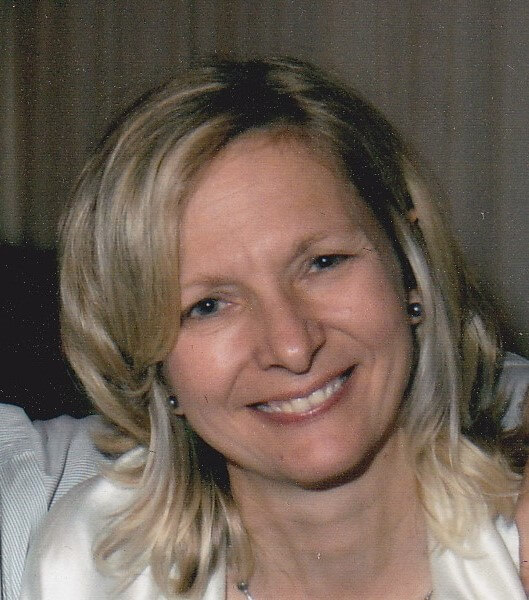
By Dr. Matthew Hughey
Steven Clark Cunningham’s books of nonfiction, poetry, and prose have become a family favorite because of how accessible he makes topics that can sometimes be daunting. As a professor of sociology, I can tell you that his newest book, It’s Considerate to Be Literate about Religion: Poetry and Prose about Religion, Conflict, and Peace in Our World, is a must-have for childhood educators and families hoping to raise open-minded children!
It is a fun, compassionate, and lyrical journey into religious diversity. Its whimsical poems and clear prose, beautifully illustrated, offer kindhearted depictions of religious differences alongside his invitation to appreciate their common moral commitments.
However, unlike his prior two books (Dinosaur Name Poems and Your Body Sick and Well: How Do You Know?), which resonate with readers of all ages, his new book is more appropriate for teens to adult readers.
I begin with an overview. Split into three sections, the book first describes and illustrates the main tenets of “religious literacy” as recommended by the American Academy of Religion (AAR).
Some of the questions explored in Part I include:
▪ What is religion?
▪ What is the difference between the religious and the secular?
▪ What is the difference between a devotional approach to practicing religion and an academic approach to studying religion?
▪ What are the various ways one can be religiously literate and religiously illiterate?
The second section employs the lens of religious literacy to examine several actual conflicts around the globe that have historically revolved – and continue to revolve – around religion, such as in Europe, Israel-Palestine, Myanmar, Nigeria, Syria, and the United States.
The third section puts it all together in a succinct and cross-referencing summary. There is also a glossary of terms used within the book and a reading-group guide with topics and questions for further discussion.
Diving into the specifics of the book, one of the major strengths of Cunningham’s texts rests in the lovely lyrical nature of the poems, alongside the engaging pencil illustrations by Susan Detwiler, which give each topic the traction needed to pull youth and adults through the poetic content and on to the more expansive and very accessible “Learn More” sections that follow each poem. For instance, the book begins with a lovely two-page spread containing the very short introductory poem “Literacy” and a one-page prose discussion of what is meant by the term “literacy.”

It is in this first “Learn More” section where Cunningham lays out in a clear and accessible way what the AAR means by “religious literacy” and how this religious literacy, according to the AAR, “helps us understand ourselves, one another, and the world in which we live.”
Cunningham combats two common stumbling blocks to religious understanding. On the one hand, many conceptualize “religion” as an abstract and amorphous concept with little tangible or material reality or consequence in their daily lives. On the other hand, the meaning of “religion” is only the specific practices with which they are familiar, which often leads to people disregarding, dismissing, or even denigrating religious traditions unfamiliar to them. To address these two concerns, by way of another example, Cunningham uses the poems “What is Religion?” and the following poem, “The Religious vs. the Secular,” to invite readers to take a careful and nuanced look at what people often mean by “religion”.
Part II includes several poems about religious conflicts around the world. These can be sensitive and difficult topics for many, and it is here that It’s Considerate to Be Literate shines. Cunningham tackles these topics with sensitivity and finesse. He allows readers to see and understand not only the good that religion has done for so many people in the world but also to grapple with the violence that has all too often accompanied religion.
For example, the poem “Syrian Civil War” uses both language and illustrations to capture the “before and after” views of the conflict, which has many religious edges and angles.
Since the book is for readers of widely different age groups, from teens to highly educated adults, I particularly appreciated the glossary (pages 72-79) that clearly defines the terms used in the book. I am also thankful for the reading group guide, which includes suggestions for further reading, questions, and topics for further discussion.
Dr. Cunningham’s new book of nonfiction poems and prose invites readers not only to understand religion better but to use the book as a springboard to talk about many different current and historical events of a religious nature that circulate in our complex world. I highly recommend it, as do others–the text won the prestigious 2023 Benjamin Franklin Award and received First Place in the Social Change category of the Next Gen Indie Book Awards!